Measuring Immune Cell Activation With High Sensitivity ELISA
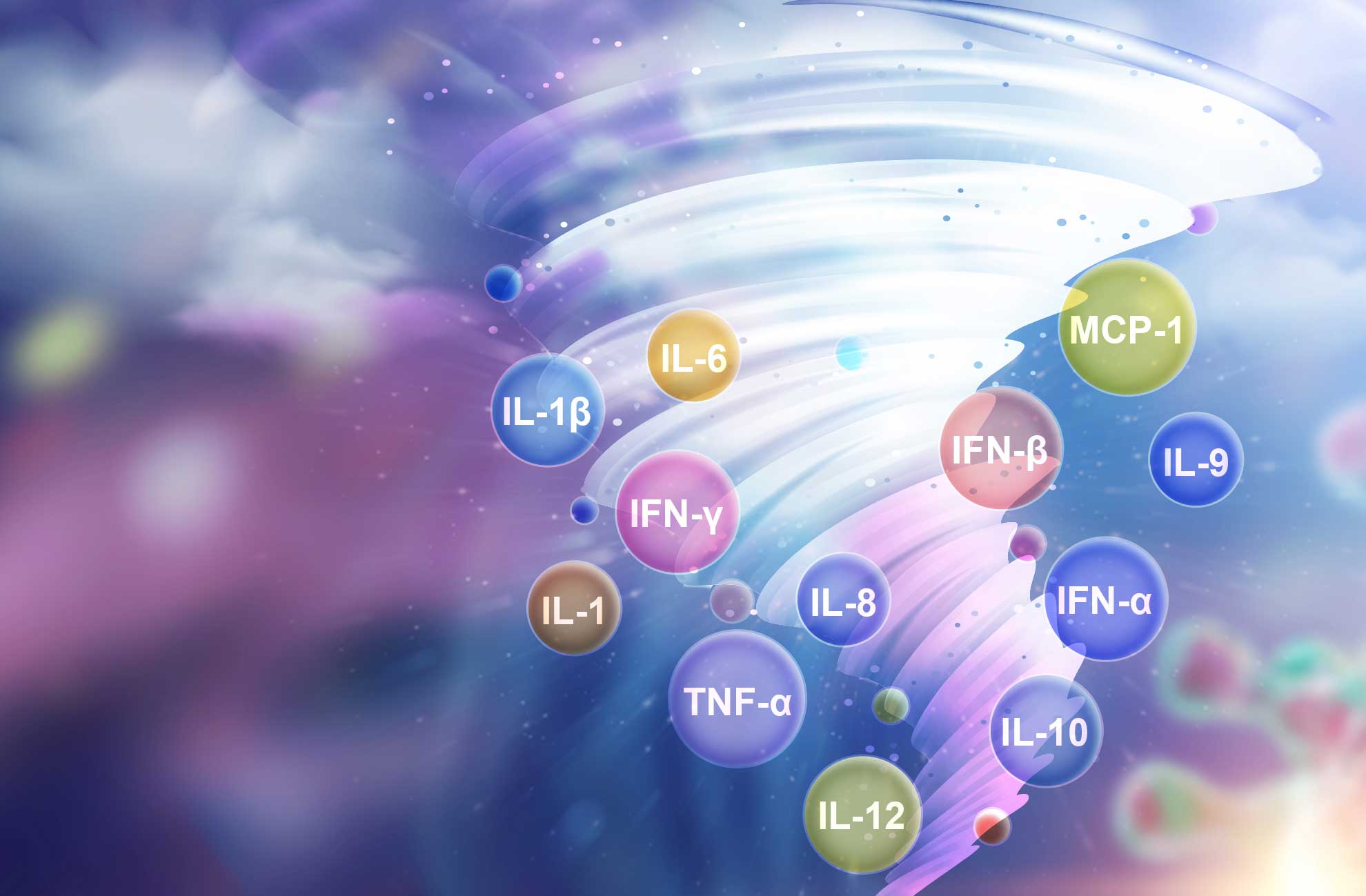
Interleukin-6 (IL-6) is a multifunctional cytokine that plays a crucial role in immune cell activation and the regulation of the immune response.
While the project offers standard, bootable ISO files, it does not go back as far as version 1.0. The earliest stable, widely distributed Android-x86 ISOs generally start around Android 1.6 (Donut) or Android 2.2 (Froyo). Running these early versions will still give you a profound sense of how basic early Android was compared to modern iterations. What Android 1.0 Was Like
: Now the Google Play Store, it launched with only a few dozen apps. The Notification Shade
Launch the emulator. The software will emulate an ARM processor on your x86 computer, allowing the original software to run. 2. Android-x86 Project (The ISO Alternative)
Start the VM. Select "Run Android without installation" (Live CD mode) to test the OS. Note that mouse support might be erratic; you may need to disable "Mouse Integration" in VirtualBox to use the cursor as a touch simulator. Features to Explore in Android 1.0 Android 1.0 Iso
But if you’re looking for an to boot on your laptop, you'll quickly realize that "ISO" isn't quite the right term for this piece of history. Why "ISO" is a Misnomer for Android 1.0
Target the Android 1.0 system image and launch the emulator. Method 2: Third-Party Web Emulators
Pull down the top bar to see the birth of Android’s signature notification system, a feature iOS didn't copy for years. While the project offers standard, bootable ISO files,
In the early days of mobile development, Android was designed strictly for , specifically the HTC Dream (T-Mobile G1) .
The built-in media player could not play video natively without third-party apps, and there was no official YouTube application at launch.
Android 1.0 was extremely limited and lacked many of the drivers and framework components needed to function on standard PC components (like VGA displays or keyboards) without massive modification. SourceForge 2. Android SDK Emulator (The "Official" Way) The most authentic way to run Android 1.0 is through the Android Studio Emulator You can download the Android 1.0 SDK platform within the IDE and create an (Android Virtual Device). What Android 1
Android 1.0 was a pivotal moment in the history of smartphones. It not only offered an alternative to existing mobile operating systems but also democratized access to smartphones, making them more accessible and customizable for users worldwide. The journey from Android 1.0 to the latest versions has been marked by continuous innovation, expansion of features, and improvements in performance and security. As Android continues to evolve, its foundational release remains a significant milestone in the technology landscape.
This public link is valid for 7 days and shares a thread, including any personal information you added. This link or copies made by others cannot be deleted. If you share with third parties, their policies apply. Can’t copy the link right now. Try again later.
file because it was designed for ARM-based mobile hardware like the T-Mobile G1. However, you can still experience it or work with its "ISO" equivalent for emulation purposes. 1. Getting the Android 1.0 Image
Android 1.0 was tailor-made for the HTC Dream (T-Mobile G1), which utilized an ARMv6 architecture Qualcomm MSM7201A processor.
Since a true 1.0 ISO for PC doesn't exist, researchers typically use these methods: How to Install Android on VirtualBox

We gladly support you by keeping you updated on our latest products and the developments around our services.