
We Uses Cookies
This website uses cookies to enhance
your browsing experience.
We Uses Cookies
This website uses cookies to enhance
your browsing experience.
It was the first real attempt to kill the crash-prone MS-DOS codebase for home users.
Like most pre-release Microsoft software, Build 5111 features a hardcoded "timebomb"—an expiration date embedded in the code. If your virtual machine’s clock reflects the current year, the installer will throw a fatal error or refuse to boot.
It introduced "Activity Centers" (HTML-based interfaces for music and photos) that eventually evolved into the Windows Me and XP styles we know.
What makes the ISO diabolically interesting to collectors is that Build 5111 contains two distinct user interfaces depending on a registry key or whether you press a secret key combination.
+-------------------------------------------------------+ | Windows Neptune Core | +-------------------------------------------------------+ | [Activity Centers] [HTML User Accounts] [Fast Boot] | | (HTML-Based Hubs) (Simplified Login) (Optimized) | +-------------------------------------------------------+ | Windows NT 5.0 Kernel Core | +-------------------------------------------------------+ 1. Activity Centers Windows Neptune Build 5111.iso
: While stable, the build can become fragile if you attempt to update DirectX or swap core hardware components. Verdict
– The star feature.
January 24, 2000, by the warez group Pirates with Attitudes.
Standard scene releases of the ISO are bootable, utilizing the classic text-mode NT installer phase before transitioning into the graphical setup wizard. How to Install and Emulate Windows Neptune Build 5111 It was the first real attempt to kill
A comparison of how Neptune features differed from .
Neptune was one of the earliest builds to test consumer-level product key verification and system notifications, laying the groundwork for Windows Product Activation (WPA). Technical Specifications Specification 5111.0.fbl_nt_dev_inst.991227-1111 Kernel Version NT 5.00.5111 Architecture x86 (32-bit) File Format ISO (Bootable Installation Media) Predecessor Core Windows 2000 Beta 3 / RC Installing the Build 5111 ISO
It included an advanced which was a backport of the technology designed for Windows Me, featuring a more modern, web-style interface compared to the traditional WinHelp system. Neptune vs. Windows 2000 and Me
Microsoft realized that maintaining two distinct NT development tracks (Neptune for consumers and Odyssey for businesses) duplicated their workload. Windows 2000 was already delayed, and resource management was strained. Activity Centers : While stable, the build can
Despite being NT-based, Neptune 5111 includes early versions of components that later appeared in Windows ME, such as early versions of Media Player.
Long before firewalls were a staple of Windows security, Neptune included a basic internet firewall. This was a proactive step toward protecting home users, who were increasingly connecting via dial-up or early broadband. 3. Early User Accounts
This system was the clear precursor to the user management features we took for granted in Windows XP and later versions.
It was the first real attempt to kill the crash-prone MS-DOS codebase for home users.
Like most pre-release Microsoft software, Build 5111 features a hardcoded "timebomb"—an expiration date embedded in the code. If your virtual machine’s clock reflects the current year, the installer will throw a fatal error or refuse to boot.
It introduced "Activity Centers" (HTML-based interfaces for music and photos) that eventually evolved into the Windows Me and XP styles we know.
What makes the ISO diabolically interesting to collectors is that Build 5111 contains two distinct user interfaces depending on a registry key or whether you press a secret key combination.
+-------------------------------------------------------+ | Windows Neptune Core | +-------------------------------------------------------+ | [Activity Centers] [HTML User Accounts] [Fast Boot] | | (HTML-Based Hubs) (Simplified Login) (Optimized) | +-------------------------------------------------------+ | Windows NT 5.0 Kernel Core | +-------------------------------------------------------+ 1. Activity Centers
: While stable, the build can become fragile if you attempt to update DirectX or swap core hardware components. Verdict
– The star feature.
January 24, 2000, by the warez group Pirates with Attitudes.
Standard scene releases of the ISO are bootable, utilizing the classic text-mode NT installer phase before transitioning into the graphical setup wizard. How to Install and Emulate Windows Neptune Build 5111
A comparison of how Neptune features differed from .
Neptune was one of the earliest builds to test consumer-level product key verification and system notifications, laying the groundwork for Windows Product Activation (WPA). Technical Specifications Specification 5111.0.fbl_nt_dev_inst.991227-1111 Kernel Version NT 5.00.5111 Architecture x86 (32-bit) File Format ISO (Bootable Installation Media) Predecessor Core Windows 2000 Beta 3 / RC Installing the Build 5111 ISO
It included an advanced which was a backport of the technology designed for Windows Me, featuring a more modern, web-style interface compared to the traditional WinHelp system. Neptune vs. Windows 2000 and Me
Microsoft realized that maintaining two distinct NT development tracks (Neptune for consumers and Odyssey for businesses) duplicated their workload. Windows 2000 was already delayed, and resource management was strained.
Despite being NT-based, Neptune 5111 includes early versions of components that later appeared in Windows ME, such as early versions of Media Player.
Long before firewalls were a staple of Windows security, Neptune included a basic internet firewall. This was a proactive step toward protecting home users, who were increasingly connecting via dial-up or early broadband. 3. Early User Accounts
This system was the clear precursor to the user management features we took for granted in Windows XP and later versions.
About JVG Electronics
Thankyou for contacting us.
We deals in all types of video games, consoles and its accessories.
We provide genuine produts.
You can say a complete shop of gaming available at one place.
JVG ELECTRONICS Since 2005
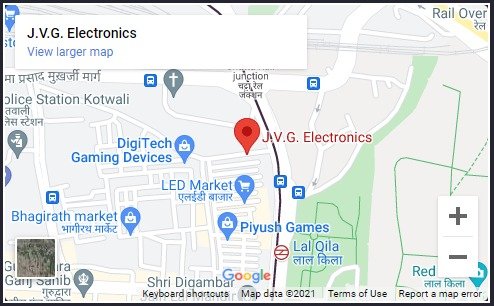
JVG ELECTRONICS Stall no.-32A More sarai road, Old lajpat rai market, Chandni chowk, Near Lal quila metro station gate no.-2 Delhi - 110006
,
,
,
Pay Using





Download Our App
© 2026 — Mirror & Meadow
